Skip to content
  • Home
  • Herb Index
  • Resources
  • Credits & About This Site
  • CAUTION!
  • Shop For Carefully Curated Herb Products
Medicinal Herb Info

Medicinal Herb Info

  • Tomato
    Tomatoes Lower Risk of Breast Cancer In the News
  • grilling
    Top Tips to Prevent Food Poisoning While Grilling Outdoors In the News
  • Garden Pharmacy
    The Secret Garden Pharmacy: 7 Common Weeds That Are Actually Powerful Medicine Gardening
  • Cancer Treatment that ‘Reboots’ Itself, Thanks to This Herb Healing
  • lavender
    Lavender Benefits for Better Sleep, Mood Boost, and Stress Relief Herbs
  • Thai herbal compress
    Exploring the Ancient Science of Thai Herbal Compress Therapy In the News
  • Medicinal Herbs Garden
    From Seed to Remedy: A Beginner’s Guide to Growing Medicinal Herbs Herbs
  • Civil War Era Medicinals Found Potentially Effective Against Infection In the News

Safely Infuse Oil, Honey or Vinegar With Herbs for Gifts

Posted on 12/09/201905/14/2025 By Lynn DeVries No Comments on Safely Infuse Oil, Honey or Vinegar With Herbs for Gifts

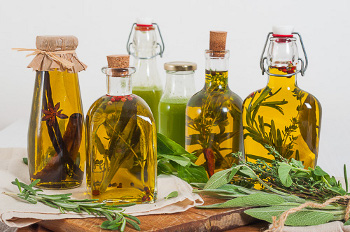
herb-infused oils

It’s the gift-giving season and we all look for great gift ideas for those we care about. So it’s important to make sure that the gifts we give them don’t make them sick. Infusing oil, honey, or vinegar with herbs is an inexpensive and fun way to pamper our loved-ones that enjoy cooking, but there are significant risks if it isn’t done properly.

Step 1: Sterilize Containers

Start by choosing glass containers that have no chips or cracks. Then thoroughly wash and then sterilize them by boiling them for at least 10 minutes. And don’t forget to sterilize the lids too. This will eliminate any residual pathogens on them.

Step 2: Choose Quality Ingredients

Use only fresh herbs, fruits and vegetables that have no visible blemishes or bruises. This makes it less likely that they will contain harmful bacteria. And then, be sure to wash them well before using them.

Step 3: Refrigerate or Freeze

Storing the finished product in the fridge or freezer makes it less likely that bacteria will grow in it.

Infusing Oil or Honey

Oil creates an environment where air is not present. This makes it easy for certain types of bacteria to grow, including the potentially deadly botulism toxin. Since produce items like garlic and herbs can harbor C. botulinum, it’s a good idea to destroy any bacteria on those items before adding it to oil. You can do this by soaking the products in a citric acid solution to reduce the pH and destroy bacteria that might be present.

Specifically, the citric acid solution needs to be strong enough to bring the pH level of the garlic, herbs, or other ingredients down to 4.2 or less within 24 hours. This paper outlines how you can do that. (This technique is also how manufacturers process infused oils that you can buy off the shelf.)

The oil or honey should also be heated to at least 180 degrees Fahrenheit before adding the other ingredients. Here are complete instructions for safely doing that. Only store these oils, refrigerated for up to 3 weeks.

Infusing Vinegar

Heat the vinegar to 190 degrees Fahrenheit before adding it to the other ingredients, and be sure to fill the container to within 0.25 inches of the top of the container. If you’d like more details, you can find them here. Once you’ve made them, infused vinegars can be safely kept in a cool, dark place for 2-3 months or refrigerated for 6-8 months.

Recipes

Here are some recipes for flavored oils and vinegars from BON APPÉTIT and Colorado State University Extension to get you started.


Resource Links

How to Infuse Oils, Vinegars, Liquor or Honey (Without Making People Barf)

Current Food Safety Issues of Home-prepared Vegetables and Herbs Stored in Oil

Acidification of Garlic and Herbs for Consumer Preparation of Infused Oils

Making Garlic- and Herb-Infused Oils
At Home

Flavored Vinegars and Oils

Colorado State University Extension: Flavored Vinegars and Oils

Even Lazy People Can Make This Fancy Edible Gift


Share
Herbs Tags:food safety, gifts, herb-infused, honey, liquor, oil, vinegar

Post navigation

Previous Post: Turmeric: Be Careful Where it Comes From
Next Post: An Avocado a Day Keeps High LDL Cholesterol Away

Related Posts

  • herbal research
    The Medicinal Herb Revolution: Unlocking Nature’s Healing Potential Chinese Medicine
  • African medicinal plants
    African Medicinal Plants Advancing Cancer Treatment and Management Strategies Herbs
  • Licorice Root Tea
    Research Shows Promise of Licorice Root Compound to Fight Coronavirus Herbs
  • I’m Going to Grow My Own Saffron! Herbs
  • lavender
    Lavender Benefits for Better Sleep, Mood Boost, and Stress Relief Herbs
  • Job's Tears
    Discover the Benefits and Uses of Jobs Tears Grain Chinese Medicine

More Related Articles

Broccoli Broccoli’s Cancer-Fighting Potential Revealed Healing
neem Discover Plant-Based Solutions for Combating Malaria Naturally Herbs
medicinal herb sprouts and microgreens for health Boost Your Health with Medicinal Herb Sprouts and Microgreens Gardening
herbs in the home 5 Antiviral Indoor Plants to Boost Immunity This Winter Ayurveda
dried herbs Preserving Medicinal Herbs: Essential Tips Gardening
Wormwood An Herb That Enhances TB Treatment Herbs

Leave a Reply Cancel reply

Your email address will not be published. Required fields are marked *

Site Navigation

  • Home
  • Herb Index
  • Resources
  • Credits & About This Site
  • CAUTION!
  • Shop For Carefully Curated Herb Products

The Medicinal Herb Info site was created to help educate visitors about the often forgotten wisdom of the old ways of treating illnesses. Many of today's drugs and medicines were originally derived from natural ingredients, combinations of plants and other items found in nature.

We are not suggesting that you ignore the help of trained medical professionals, simply that you have additional options available for treating illnesses. Often the most effective treatment involves a responsible blend of both modern and traditional treatments.

We wish you peace and health!

Recent Posts

  • The Witch’s Garden Decoded: Real Plants Behind Historical ‘Magic’ Potions
  • Top Health Benefits of Triphala and How to Use It
  • Andean Healing: High-Altitude Herbs of the Inca and Their Descendants
  • Top 12 Ayurvedic Herbs and Their Surprising Health Benefits
  • Rooibos Tea May Protect Brain Health and Fight Alzheimer’s

Categories

  • Anti-Aging
  • Ayurveda
  • Chinese Medicine
  • Gardening
  • Healing
  • Herbs
  • In the News
  • Medicinal Herbs
  • Medicinal Uses
  • Natural Health
  • Traditional Medicine
  • Uncategorized

HappinessExpands.com

How You Can Help Support This Site

The massive amount of content on this website is made available to readers as a gift. But websites are not free to host or maintain.

By clicking on an affiliate link and placing an order or clicking on an ad, this website receives a small commission which is used to cover hosting and maintenance expenses.

Thank you for your support!

Meta

  • Log in
  • Entries feed
  • Comments feed
  • WordPress.org
  • yarrow tea
    Top Health Benefits of Drinking Yarrow Tea Daily In the News
  • plants can feel touch
    Plants Can Sense Touch and Respond to Pressure In the News
  • turmeric
    Herbal Medicine Shows Promise in Liver Cancer Treatment Analysis Healing
  • medicinal herbs
    Nordic Folk Medicine: Cold-Climate Herbs and Viking Healing Traditions Natural Health
  • Tomas Orellana
    Teen Innovates with MIT OpenCourseWare to Unlock Plant Medicine In the News
  • teas
    Top 13 Teas to Reduce Bloating Naturally and Effectively In the News
  • Eucalyptus
    Steaming to Relieve Congestion Healing
  • ginger
    Top 11 Powerful Health Benefits of Ginger You Should Know In the News

Copyright © 1996-2025 Medicinal Herb Info. All Rights Reserved

Powered by PressBook Premium theme